How bed bugs travel around town
Bed bugs cannot fly or jump, so they depend on people to move them. In a college town with a steady flow of visitors, the same routes come up again and again: August move-in week, when furniture changes hands between rentals near Grounds; mattresses and couches picked up from curbs or online listings; guests arriving for graduation or a football weekend; and luggage coming home from a hotel stay somewhere else.
Having them says nothing about how clean a home is. A spotless apartment and a cluttered one are equally attractive, because the bugs are there for the people sleeping in it.
First, make sure it is bed bugs
Plenty of calls turn out to be something else: bat bugs from an attic colony, carpet beetle larvae, or bites from fleas brought in by a pet. Treating for the wrong insect wastes money and leaves the real problem in place, so the first visit is about confirming the species.
Signs that point to bed bugs:
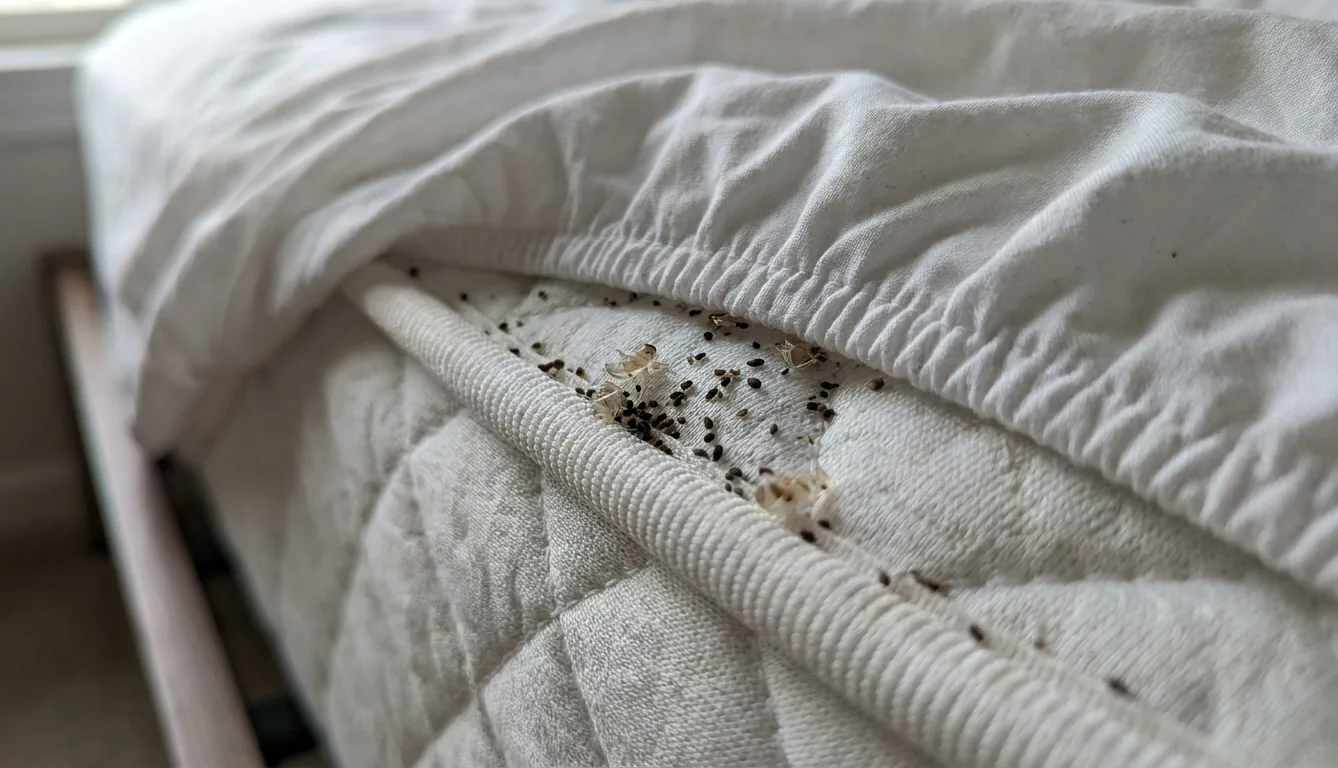
- Tiny black or rust-colored spots along mattress seams, the box spring and headboard joints.
- Pale, empty skins shed as the nymphs grow.
- Live bugs, flat and apple-seed sized, tucked into the bed frame, nightstand or the edges of the carpet.
- Bites that show up in lines or small clusters after sleeping, often on the arms, shoulders or neck.
Bites alone are not proof, since people react very differently and some do not react at all. We rely on the physical evidence.
Why we use heat
Bed bugs have developed resistance to many common insecticides, and their eggs shrug off most sprays. Heat does not care about resistance. Once the air in a room is held well above the temperature bed bugs can survive, and the core of the mattress, the inside of dresser drawers and the wall behind the headboard all reach that heat, every adult, nymph and egg dies.
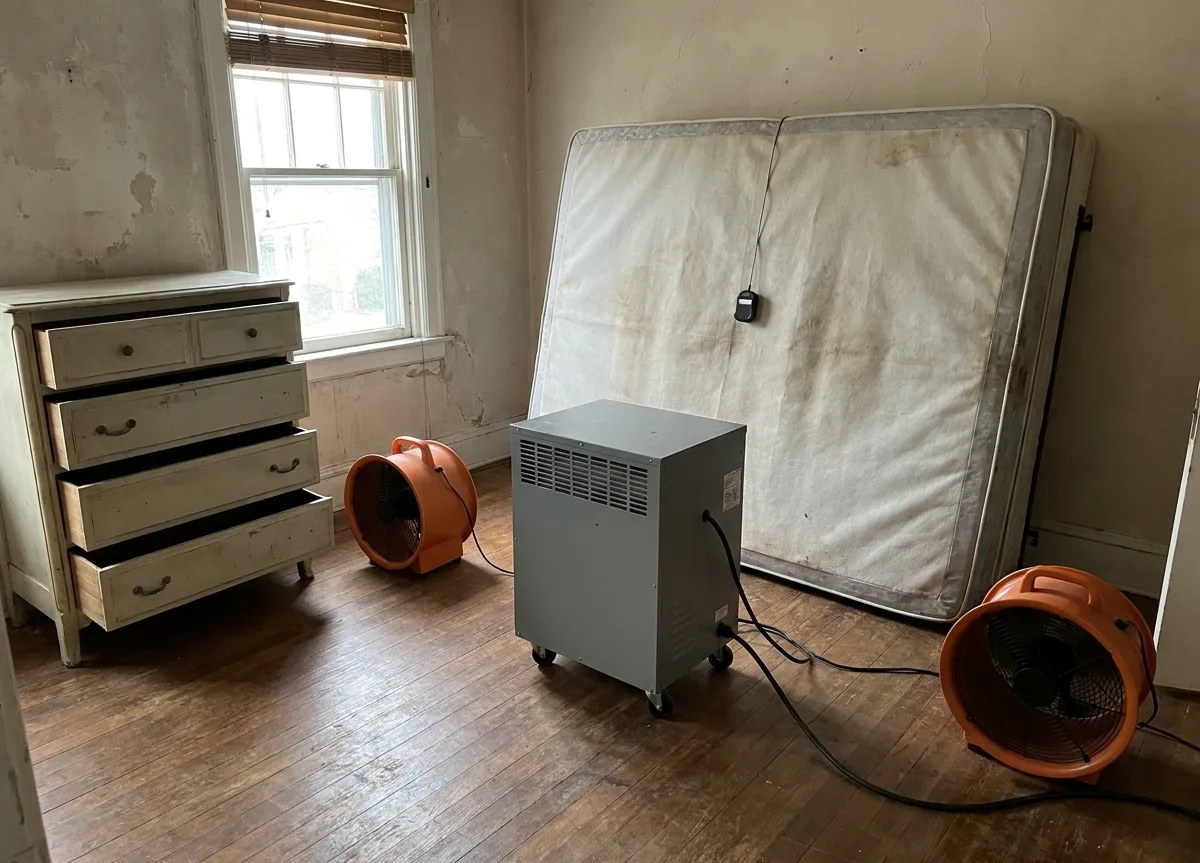
On treatment day C’ville Termite Removal Experts brings in electric heaters and fans, places wireless probes in the hardest-to-heat spots, and watches the readings throughout so no cold pocket gets missed. Along the room edges and at wall penetrations, where heat can push a few bugs into the next space, we may add a targeted residual product as a barrier.
Getting ready for treatment day
Heat treatment involves much less bagging and laundering than the old spray method, but a few things must leave the rooms:
- Pets, including fish tanks, and houseplants.
- Candles, crayons, lipstick and anything else that can melt.
- Aerosol cans, lighters and pressurized containers of any kind.
- Medications, vinyl records, musical instruments and artwork that could be damaged by heat.
Plan to be out for most of the day. Clothing and bedding can stay in place and be heated along with everything else; we will give you a full checklist when you book.
Landlords and property managers
In apartment buildings bed bugs spread through shared walls and hallways, so treating one unit and ignoring the neighbors is how a building keeps having the same problem. For rental property around Charlottesville we inspect the adjoining units, give you a written record of what was found and what was done in each one, and schedule treatment around tenant move-ins and move-outs where we can.
The return inspection
About two weeks after treatment we come back to look again, since that is enough time for any surviving egg to hatch into a nymph we can see. A clean follow-up is how we, and you, know the job is actually finished.
Please do not reach for foggers. Store-bought bug bombs do not get into the cracks where bed bugs hide. They tend to scatter them into more rooms, which makes the professional job larger and more expensive.
If you are also seeing pests other than bed bugs, ask about our general pest control service when you call.